Lifting equipment like cranes, telehandlers, and scissor lifts plays a vital role in modern construction. But improper use can lead to serious accidents. Following safety best practices protects workers, equipment, and project timelines.
Know the Rated Capacity and Limits
Every lifting machine has a rated capacity the maximum load it can safely handle. Exceeding this limit can lead to tipping, structural failure, or accidents. Always confirm load charts match project requirements before lifting.
Ensure Proper Operator Certification
Operators must be trained and certified. For example, accredited crane operator certification is required in many regions to comply with safety standards and regulations.
Inspect Equipment Before Use
Daily inspections help identify:
- Loose bolts or damaged cables
- Worn hydraulic hoses
- Malfunctioning safety devices
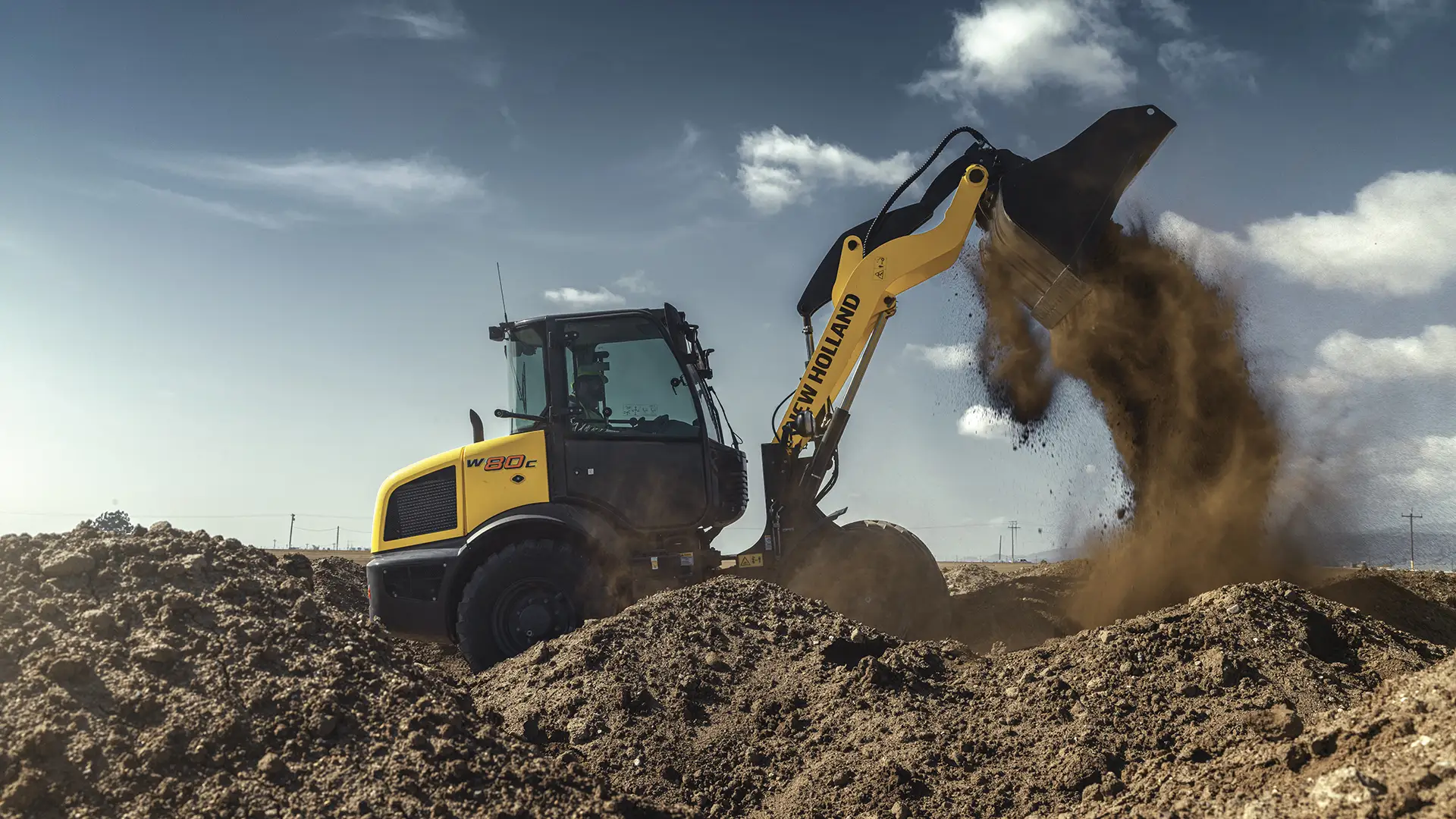
- Uneven ground that may affect stability
Follow Rigging and Signal Procedures
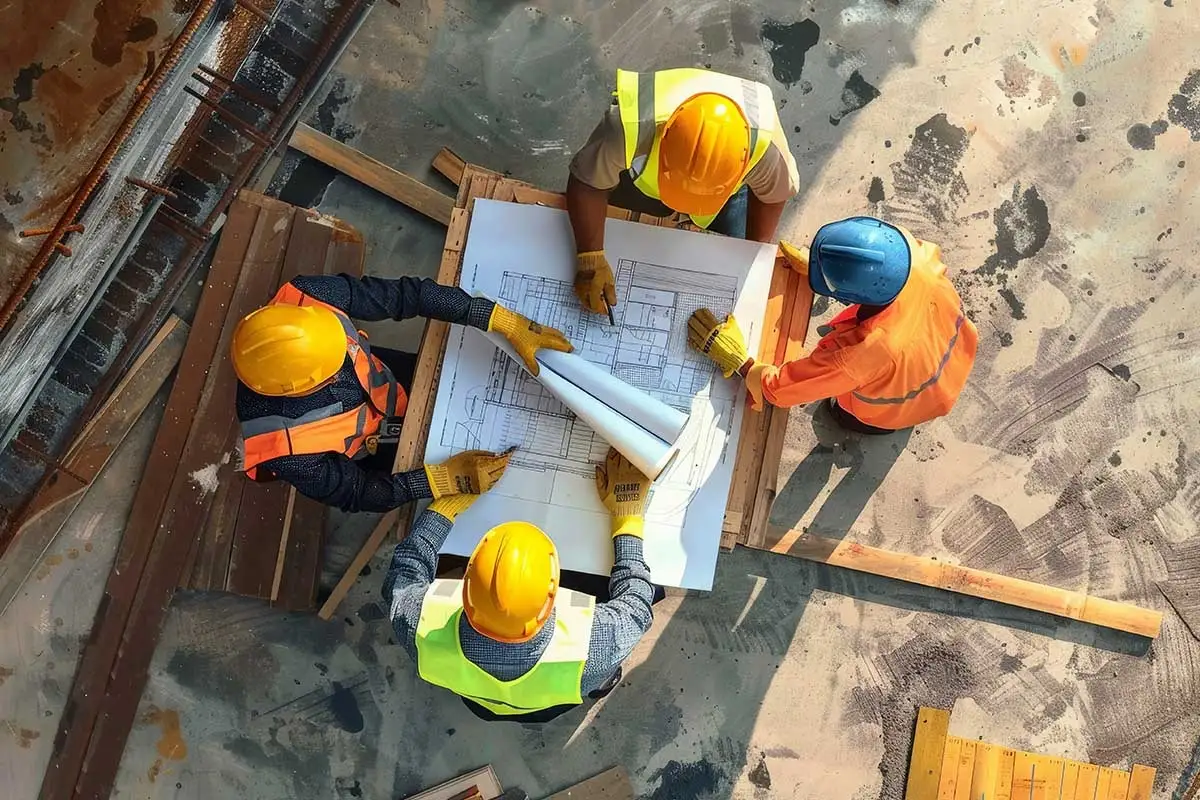
Proper rigging and use of standard hand signals enhance communication between the operator and ground personnel. This reduces the chance of load swings or miscommunication that could cause injury.
Environment and Weather Considerations
Wind, rain, extreme temperatures, or uneven surfaces can affect lift operations. Always evaluate conditions and postpone lifts if weather becomes unsafe.
Final Thoughts, Safety isn’t just a requirement it’s an operational priority. With proper training, planning, and vigilance, lifting operations can be completed efficiently and accident‑free